

A few hours apart, Vienna and Budapest are two of Central Europe’s most beautiful and fascinating capital cities. But the two cities have very different personalities and appeal to different types of travelers. When planning an itinerary, if you only have time for one, which should you choose? Questions like “Is Budapest cheaper?” and “Is Vienna more beautiful than Budapest?” could make the difference in which city you choose to go to
Vienna and Budapest complement each other beautifully. These are just a few of the major differences travelers should know, and some may surprise you. For your next European vacation, here’s how they compare.
City Atmosphere

Vienna has an air of elegance and sophistication. That means you’ll enjoy the traditional European sense of grandeur we all know and love. It’s clean, organized, and easy to navigate. Many of its major attractions are relatively close together, which makes it a very walkable city. You won’t feel rushed; everything feels more relaxed, with a slower day-to-day pace.
Budapest is a little less refined and more informal, bringing an edge to the adventure. While it is equally rich in history and architecture, it mixes old-world European charm with a modern urban culture. You can enjoy lively, bustling neighborhoods in a more casual setting. It can feel exciting and memorable, as Budapest can be unpredictable at times.
Cost of Visiting

When it comes to travel expenses, there is a noticeable difference between the two. But both cities can accommodate different travel budgets. For budget-conscious travelers, Budapest is generally much more affordable than Vienna, offering more purchasing power for your money over an average five-day period. At a lower price, it offers many of the same European experiences you can have in Vienna, which is where you should go for a luxurious city break. That’s because of the high demand, as it’s well established in the luxury tourism market.
Accommodation is one of the biggest expenses when visiting either city. Vienna offers elegant historic hotels and international hotel chains. Budapest offers boutique mid-cost hotels and stylish apartments. Both have reasonable and comfortable hostels as well, found in centrally located areas with very little difference in cost, only a few dollars. Those kinds of savings can make a major difference to your overall vacation budget.
You can enjoy a substantial amount of Vienna and Budapest without paying admission fees. Some of the most rewarding experiences are free and can take up a good part of your day. I suggest looking at FreeTour for a local guided experience that is not unnecessarily expensive and is tip-only.
| Type of Travel Per Day | Vienna | Budapest |
| Budget Travel | €70–110 | €40–70 |
| Mid-range Travel | €140–220 | €95–190 |
| Luxury Travel | €250–400+ | €190–300+ |
Food and Dining

Both cities are excellent, well-known food destinations, so I really can’t pick a favorite. Each has rich food traditions, bustling food markets, and distinctive regional specialties.
Budapest’s Hungarian cuisine is hearty, with strong flavors from rich sauces, and is served in generous portions. Choices include paprika-rich dishes, comforting soups and stews, and slow-cooked meats. You can’t go wrong with Goulash, one of Hungary’s best-known national dishes.
Viennese cuisine prides itself on carefully prepared meat dishes involving quality ingredients and seasonal specialties. Choose classic Austrian dishes like Tafelspitz and Backhendl. The city is famous for its traditional coffeehouse culture, with beautiful historic cafés that people can enjoy for hours. Add those with their pastry shops, and anyone with a sweet tooth is going to have a good time.
Their most famous food markets are worth visiting to enjoy everyday food culture and pick up some groceries for later. You can explore and purchase local produce and enjoy international cuisine at Vienna’s Naschmarkt. The Great Market Hall in Budapest is located in one of the city’s most impressive historic buildings, with the ground floor filled with colorful stalls carrying every traditional Hungarian food and specialty product (get some paprika) for some great home cooking.
Historic Landmarks

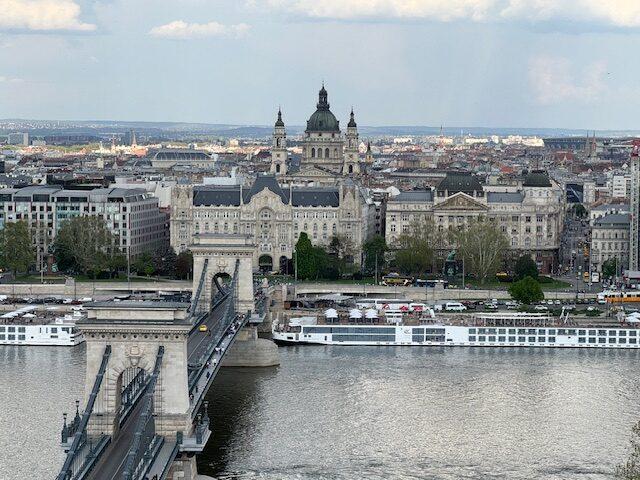
Each city ranks among Europe’s most photogenic destinations, with beautifully maintained historic buildings that give each one an almost timeless quality and remind us of the history and power of the Austro-Hungarian Empire. Several locations are also listed as UNESCO World Heritage Sites for their essential historic significance and recognized cultural heritage.
Vienna has an almost regal storybook appearance. This is thanks in part to its former status as one of Europe’s most important imperial capitals. The Schönbrunn, Hofburg, and Belvedere are impressive palaces and summer residences with magnificent gardens and grand museums shaped by imperial architecture and a rich European royal history. Each important historic landmark is an essential stop for first-time visitors.
In contrast, Budapest’s landmarks show a mix of architectural styles and historical periods shaped by the Romans, the Ottomans, Habsburg rule, and eventually national independence. What I was able to appreciate is how almost all of these- the Fisherman’s Bastion, the Hungarian Parliament Building, and Buda Castle are positioned along this part of the Danube River. You can get spectacular views from both sides of the river, which is what makes this destination special.
Entertainment and Nightlife


If the nightlife really matters to your vacation, most agree that Budapest beats Vienna. The main nightlife hub is in the Jewish Quarter. You’ll find rooftop bars and lively pubs that stay busy well into the night. Just remember to take a leisurely walk along the Danube River before you head home. The crisp air and surrounding lights give Budapest a dramatic cityscape, especially at night, with the dark reflections on the water.
It’s especially famous for its ruin bars, which I hadn’t heard of until I came here. Independent entrepreneurs take abandoned buildings and transform forgotten spaces into nightlife venues filled with live music, eclectic décor, and affordable drinks. Visitors love coming for this alternative cultural scene, so stop by places like Szimpla Kert, Instant Fogas, and Elesztohaz.
Vienna offers sophisticated nightlife and a more intimate late-night party atmosphere. The city’s long musical heritage means you can experience memorable performances in celebrated opera houses and renowned concert halls such as Wiener Konzerthaus, Volksoper Wien, and, of course, the Vienna State Opera. The music scene goes beyond that, featuring jazz, blues, rock, indie music, and international performers at several venues.
Elegant cocktail bars and stylish clubs cater to different musical tastes. On the outskirts of the city, a wine tavern known as a heuriger offers a different kind of evening and a unique ambiance. You will enjoy Austrian culture with local wines and food in a rustic outdoor courtyard setting within the city.
Conclusion
The balanced itinerary I chose was spending 3–4 days in Vienna and 3–4 days in Budapest. I recommend it, as it provides a rewarding introduction to both Central European capitals. If you do, you will have enough time to see the major attractions, enjoy the food, and get around at a decent pace without rushing from one landmark to another. Any additional days you decide to add should be used for day trips around each city.
For most first-time visitors, you need to split your time evenly instead of focusing on one city. You can always plan to come back later and explore more of the city you connect with. One city is definitely not better than the other. You will find that choosing between Vienna and Budapest depends on the type of European experience you are looking for.